Why preparation matters
A teleconsultation can be just as useful as an in-person visit, but only if the basics are ready. When your device works, your information is clear, and your questions are organised, the clinician can focus on the real issue instead of troubleshooting audio or searching for missing details. That usually means a shorter, smoother appointment and better decisions.
Good preparation is especially helpful for people managing long-term conditions, parents arranging care for a child, older adults who may need a little extra support, and anyone using telemedicine for the first time. The goal is not to make the visit perfect. It is to make it practical.
Check your technology before the appointment
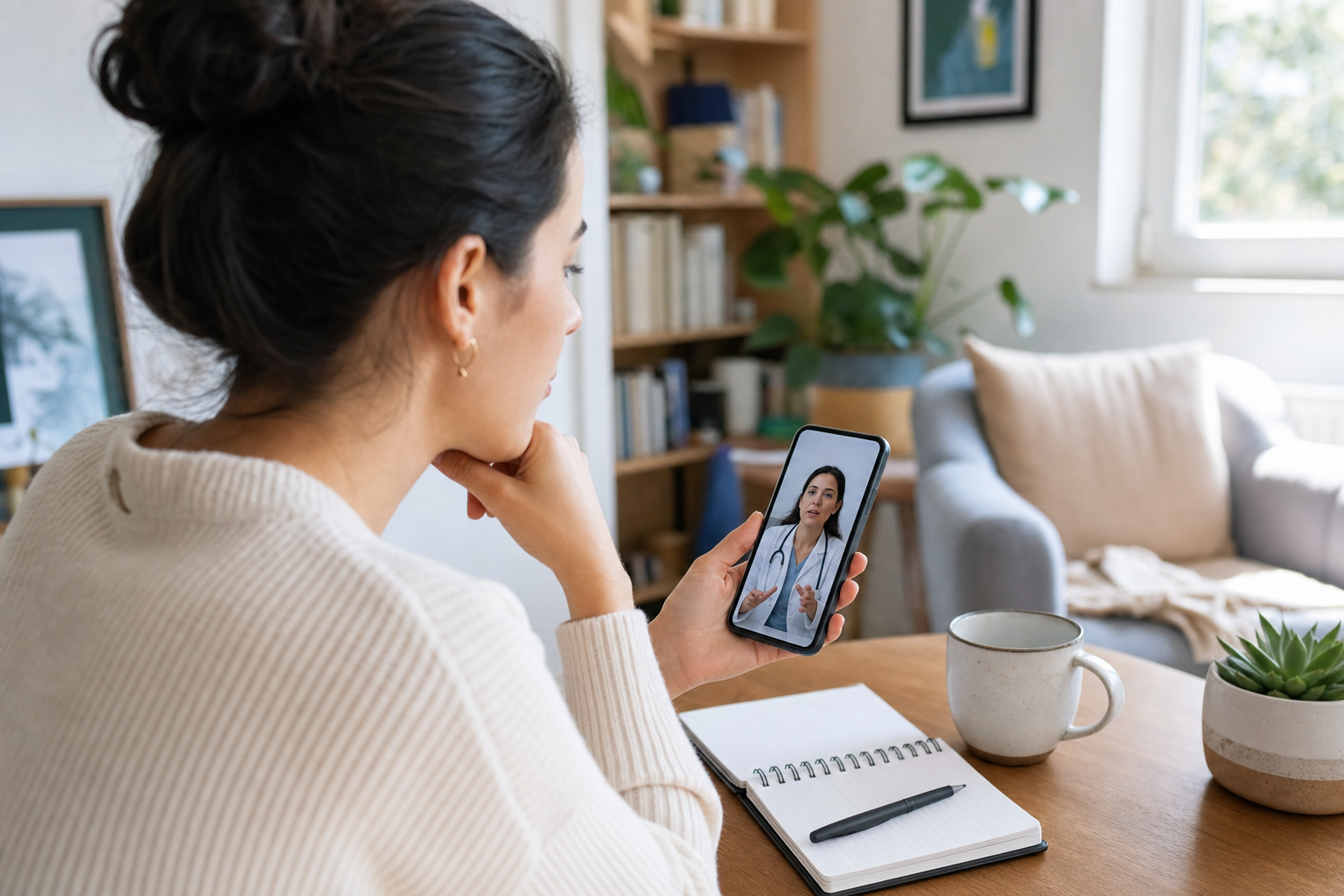
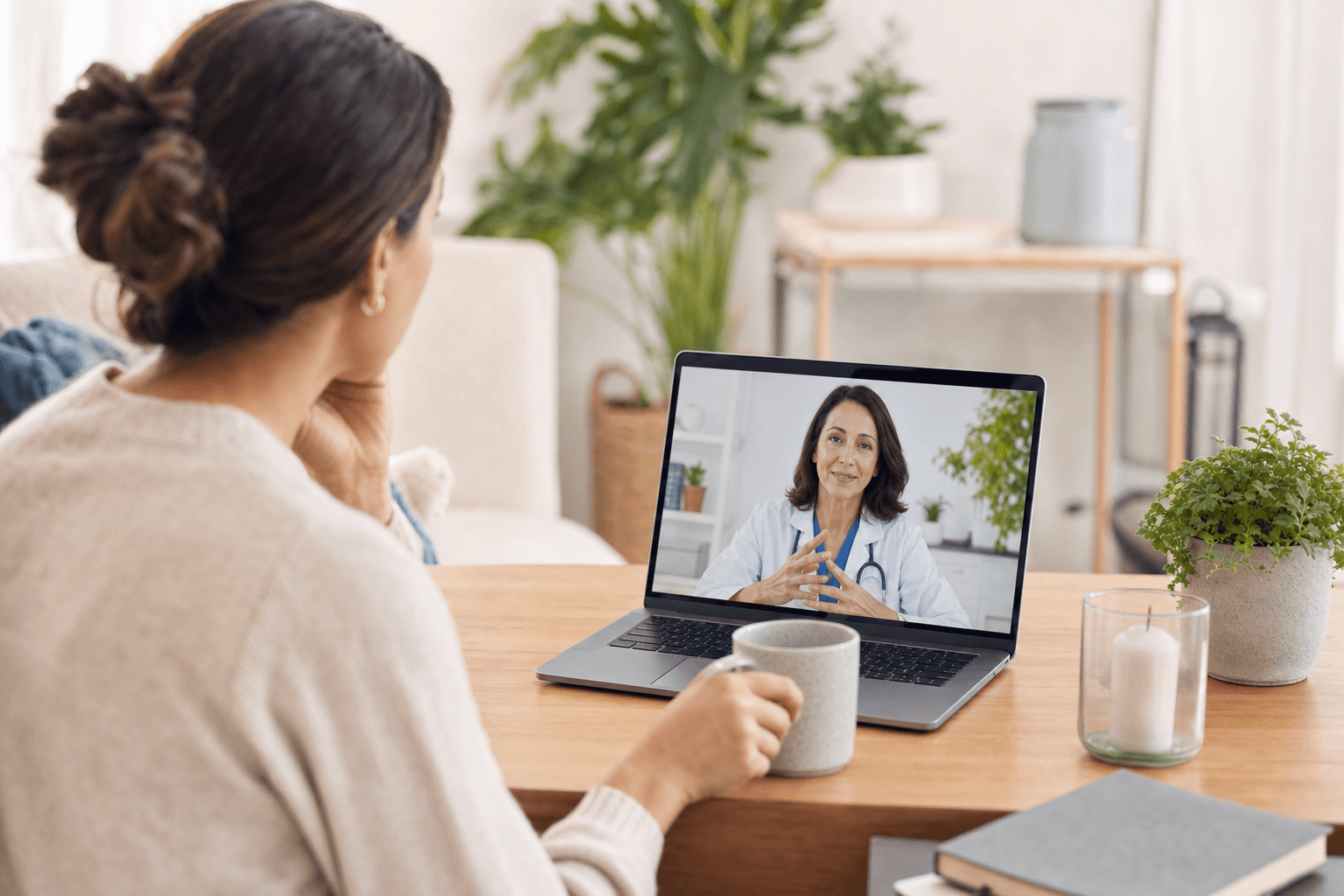
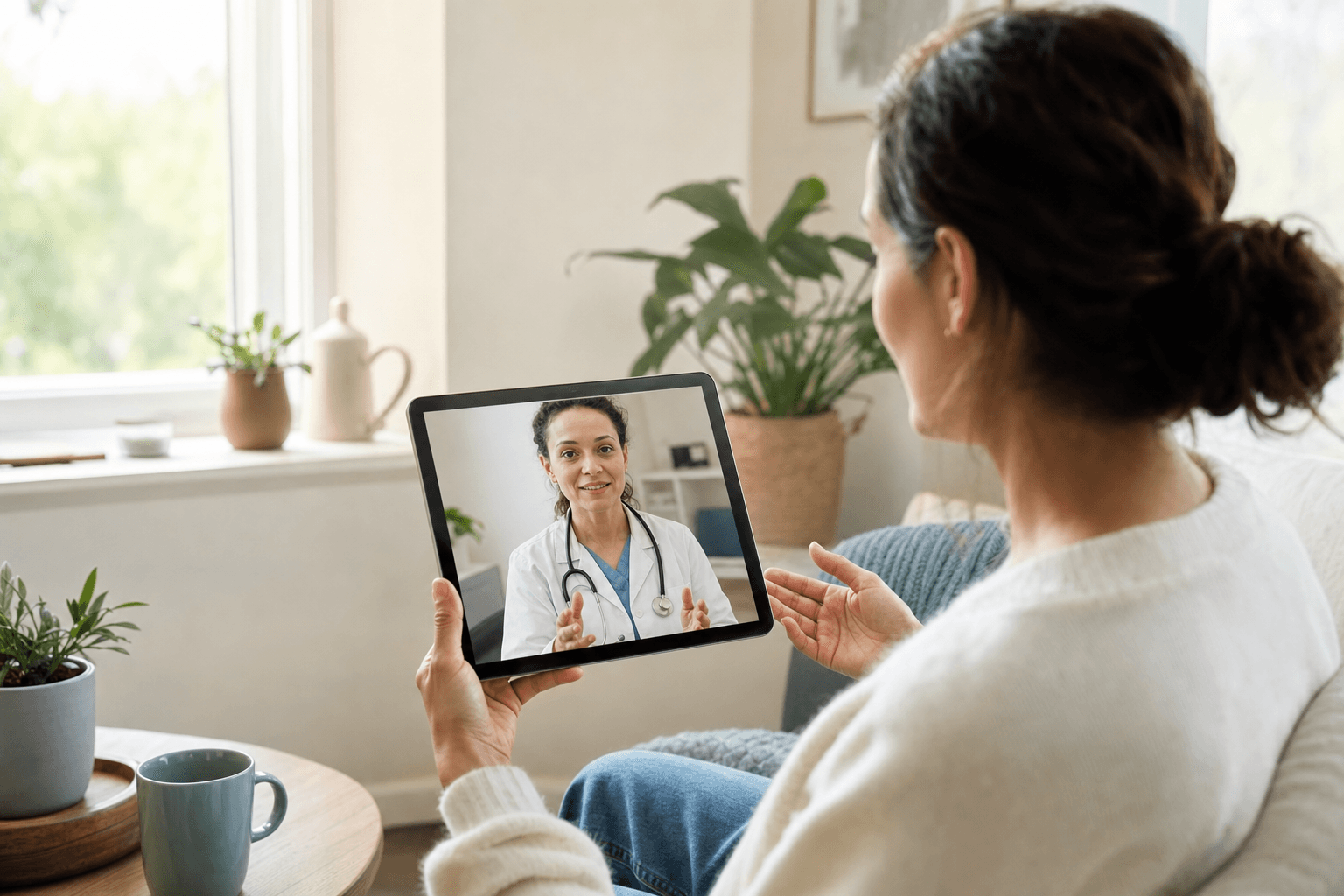
Start with the device you plan to use, whether that is a phone, tablet, or computer. Make sure it is charged and updated enough to run the video platform or app your clinic recommends. If possible, test the camera and microphone before the appointment. A quick test call with a friend or family member can help you spot problems early.
A stable internet connection is important. Video quality can drop on weak or crowded networks, so move closer to your router if you can. If video is unreliable, ask the clinic whether a phone call is acceptable for part of the visit. Some consultations work well by phone, especially when the main purpose is follow-up, medication review, or discussing test results.
If the appointment uses an app or patient portal, log in ahead of time. Look for any instructions about passwords, links, waiting rooms, or identity checks. Clinics may use different platforms, and knowing the steps in advance can reduce stress on the day.
Choose a private, quiet space
Privacy matters during a teleconsultation. Try to find a room where you can speak freely without interruptions. If you live with family, housemates, or children, let them know you need some uninterrupted time.
Sound also affects communication. A quiet space makes it easier for you to hear the clinician and for them to hear you clearly. Headphones can help if the room is not perfectly quiet, but they are optional.
Think about what the clinician may need to see. If you are discussing a rash, swollen joint, wound, or another visible concern, good lighting helps. Position yourself near a window or lamp so the camera can capture the area clearly if needed.
Gather the information the clinician will ask for
Before the visit, write down the main reason for the consultation in one or two sentences. This helps you explain your concern clearly and quickly.
Also prepare:
- A list of current medications, including over-the-counter medicines, vitamins, and herbal products
- Any allergies or reactions to medicines
- Recent symptoms, with dates if possible
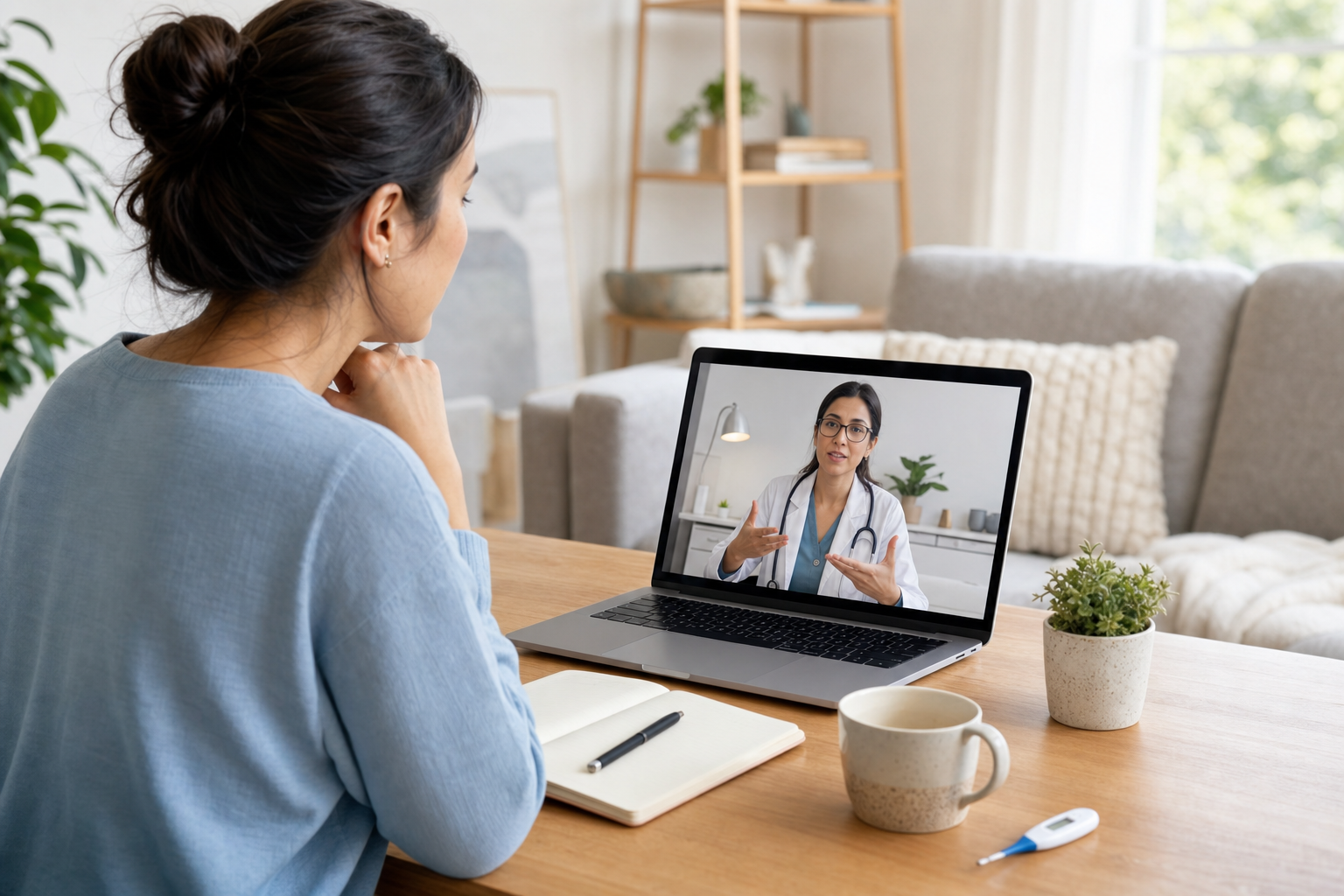
- Your blood pressure, blood sugar, temperature, weight, or other home readings if relevant
- Recent test results, discharge summaries, or photos if your clinic asked for them
- The names of any other health professionals involved in your care
If you have photos to share, make sure they are clear and dated. For example, a skin rash or wound may look different over time, and that detail can help the clinician assess changes.
Make a short list of questions
It is easy to forget important questions during a consultation, especially if you are anxious or there is a lot to discuss. A written list keeps the visit focused.
You might ask:
- What do you think is causing my symptoms?
- Do I need tests, an in-person visit, or urgent care?
- Are there treatment options, and what are the pros and cons?
- What side effects should I watch for?
- When should I expect improvement?
- What should I do if symptoms get worse?
If there is one question you really want answered, put it at the top of the list. That way, even if time runs short, the most important issue is addressed first.
Think about safety and urgency
Telemedicine is useful, but it is not the right option for every situation. Before your appointment, consider whether your symptoms might need urgent in-person assessment. Severe chest pain, trouble breathing, signs of stroke, heavy bleeding, fainting, or sudden confusion should not wait for a routine video visit. In those cases, seek urgent local medical help.
If you are unsure whether teleconsultation is appropriate, contact the clinic before the appointment and describe your symptoms. Many services can advise whether you should continue online, switch to an in-person review, or seek emergency care.
Prepare your body and the visit itself
A few small details can make the consultation more effective. Have a glass of water nearby. If the appointment may include checking your throat, skin, or breathing, wear clothing that is easy to adjust. If you are discussing a child, have their favourite toy or activity nearby to help them stay calm.
Some visits are easier if you take notes during the call. Keep paper and a pen nearby, or use a note app. Write down any new medicine names, dosage instructions, follow-up dates, and warning signs.
If a family member or caregiver will join, decide this ahead of time and make sure the clinician knows. Another person can help you remember details, explain symptoms, or ask questions you may forget in the moment.
Know what to expect after the consultation
The end of a teleconsultation is just as important as the start. Before the call finishes, confirm the next steps. Ask whether you need a prescription, lab test, imaging, follow-up appointment, or referral. Check how and when you will receive results.
It is also wise to repeat back the key plan in your own words. For example, you could say, “Just to confirm, I should start this medicine today, monitor my symptoms for one week, and contact the clinic if the fever returns.” This simple step, often called teach-back, helps reduce misunderstandings.
If your clinician gives safety advice, write it down clearly. Know what symptoms mean you should seek help sooner rather than later.
A simple checklist for your first teleconsultation
Use this quick list on the day of your visit:
- Charge your device
- Test camera, microphone, and internet connection
- Log in early if needed
- Sit in a quiet, private place
- Keep good lighting on your face or the area of concern
- Prepare medication names, symptoms, and home readings
- Write down your top questions
- Have paper or notes ready
- Confirm the follow-up plan before the call ends
Practical conclusion
Your first teleconsultation does not need to be complicated. A few minutes of preparation can make the appointment clearer, safer, and more productive. Think of it as getting your information, space, and technology ready so the clinician can focus on your health.
If you remember only three things, remember these: test your device, keep your notes nearby, and know when online care is not enough. With those basics in place, telemedicine can be a convenient and effective part of your care.
Connected care is one part of a longer, healthier life. Explore the wider Medtech health ecosystem.