Telemedicine explained: when an online visit makes sense
11 June 2026 | By DigitalHealth.mu | Updated 17 June 2026
What telemedicine actually is
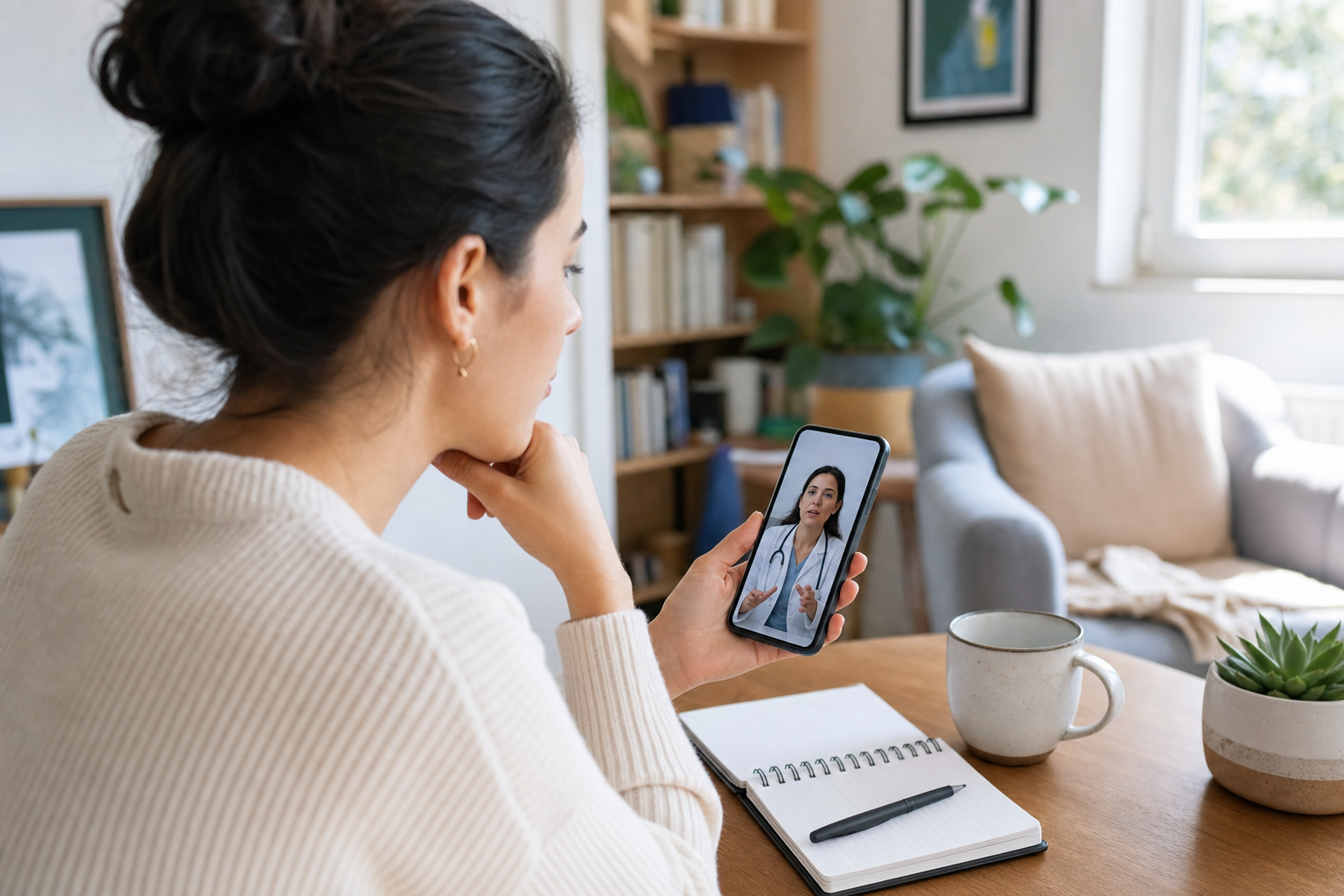
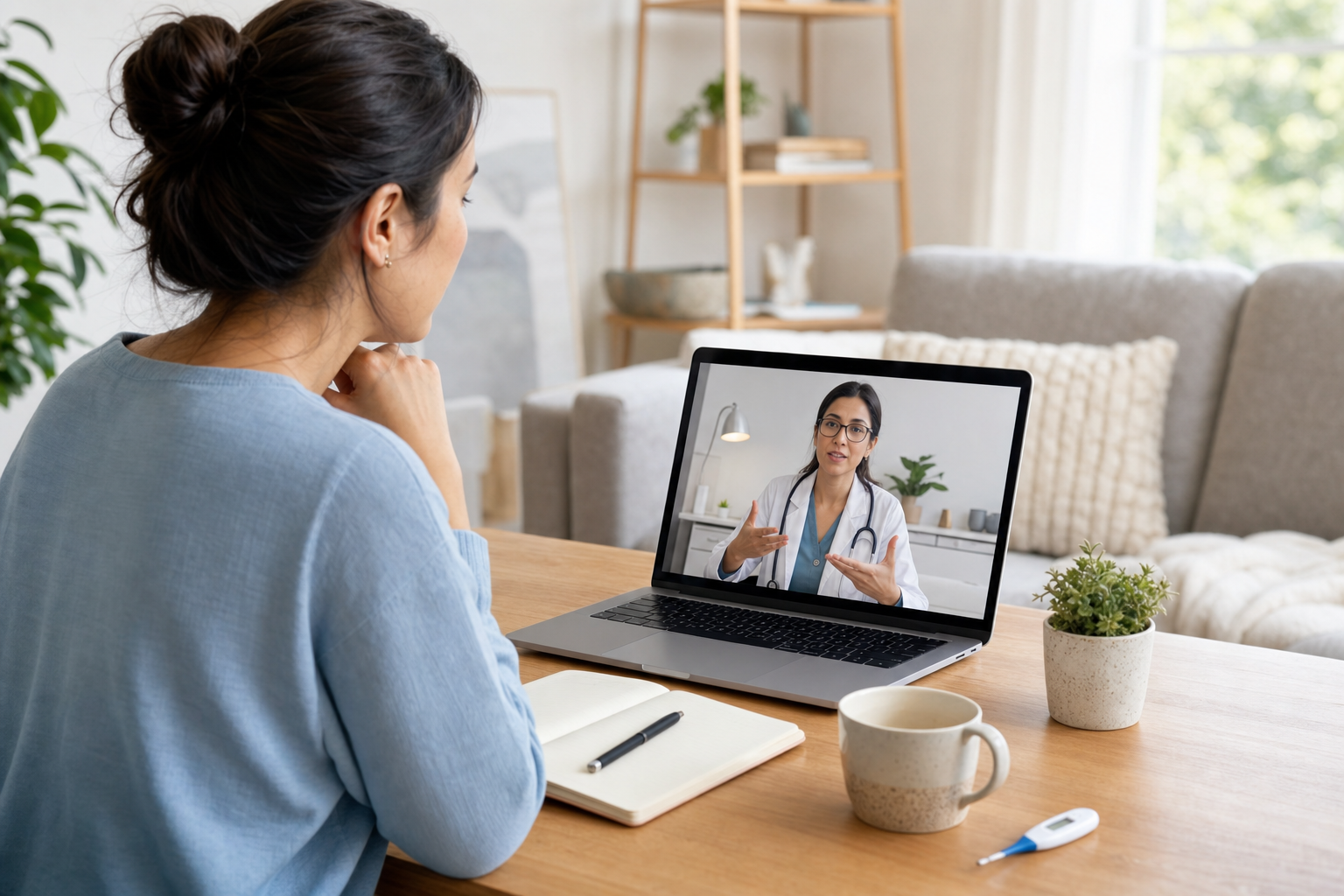
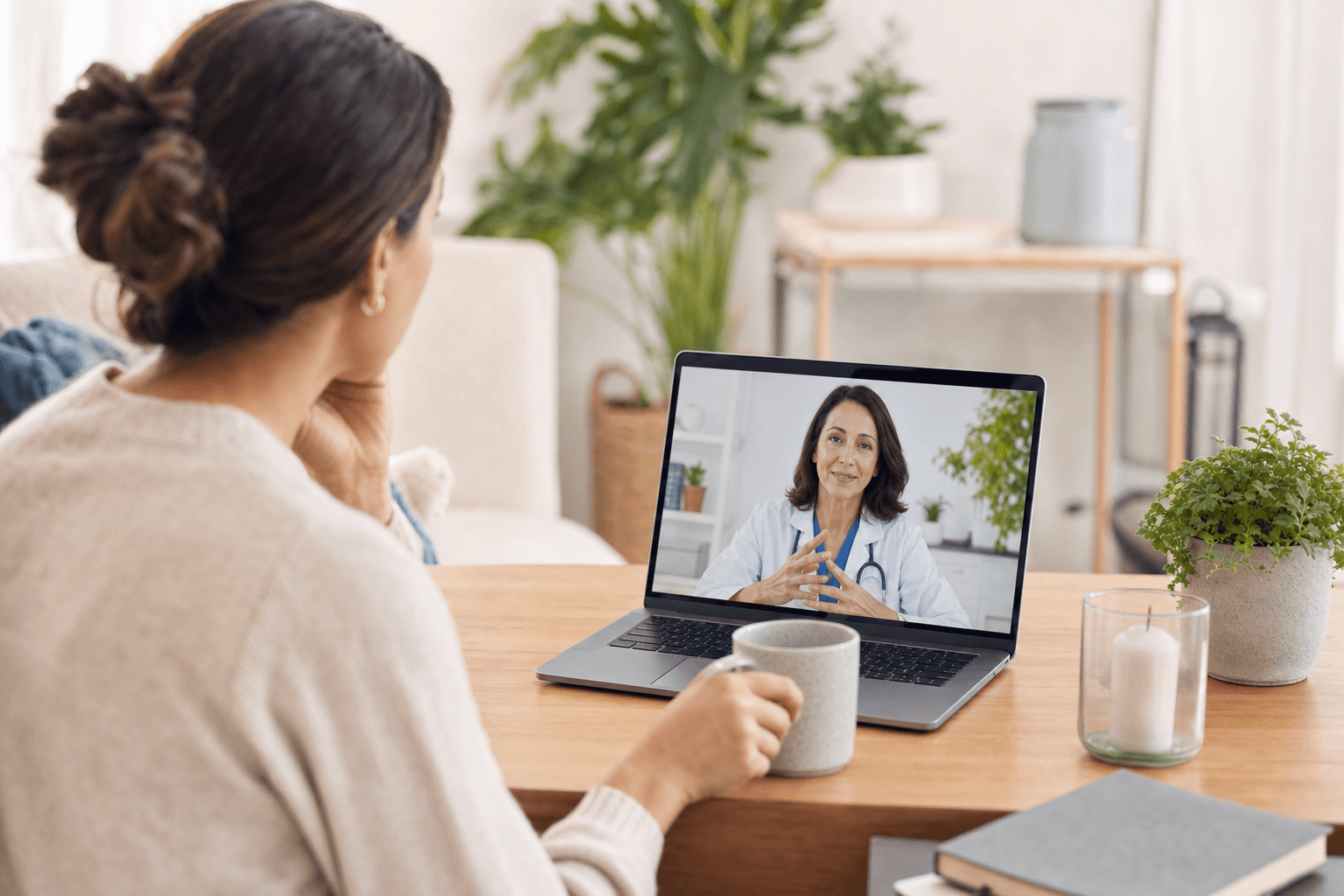
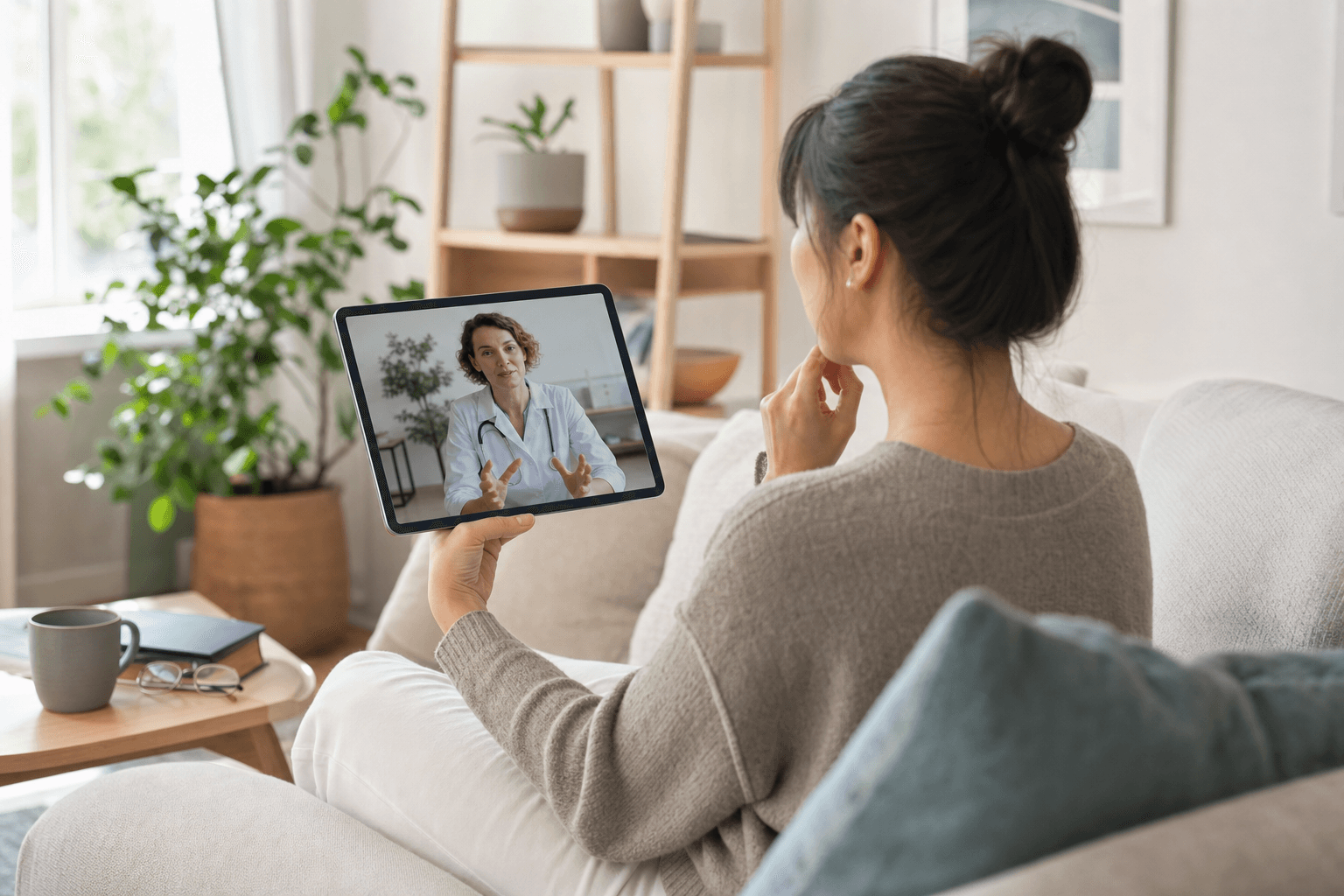
Telemedicine is a clinical consultation that happens at a distance, usually by video call, sometimes by phone or secure message. You and the clinician are in different places, but the conversation, the questions and the advice are real medical care.
It grew quickly because it solves an ordinary problem. Many health concerns do not need a physical examination, yet they used to require travel, waiting rooms and time off work. A video visit removes that friction while keeping the human contact that makes a consultation useful.
When an online visit makes good sense
Telemedicine works best when the clinician can help mainly by listening, looking and advising.
Follow-up appointments
If you are stable on a treatment and the visit is to review progress, a video call is often ideal. You can discuss how you feel, report any side effects and agree on next steps without leaving home.
Minor and common concerns
Many everyday issues, such as a mild skin rash, a cough that is not severe, or questions about a medication, can be assessed well over video.
Repeat prescriptions and results
Reviewing test results or arranging a repeat prescription for a known condition is a natural fit for an online visit.
Mental health and counselling
Talking therapies translate well to video. Many people find it easier to speak openly from a familiar, private space.
Advice and triage
When you are unsure whether a problem needs urgent attention, a quick online consultation can tell you whether to wait, come in, or go to an emergency department.
When you should be seen in person
Some situations need hands and instruments, not a screen.
Anything that needs a physical examination, such as listening to the chest, feeling the abdomen or checking a joint, is better in person. Anything urgent, such as chest pain, severe breathlessness, signs of a stroke, heavy bleeding or a serious injury, is an emergency and should go straight to in person care. A new lump, unexplained weight loss or a symptom that is getting worse also deserves a face to face assessment.
If you are ever in doubt about whether your situation is suitable for an online visit, it is reasonable to ask the clinic, or simply to go in.
How to prepare for a video visit
A little preparation makes the consultation far more useful.
Write down your main concern in one or two sentences, and note when it started. List your current medicines, including anything you buy without a prescription. Have recent readings ready if you track blood pressure or blood sugar. Test your camera, microphone and internet connection a few minutes early, and find a quiet, well lit, private space.
Good light matters more than people expect. If the clinician needs to look at a rash or a wound, natural daylight near a window gives the clearest view.
Making the most of the connection in Mauritius
A stable connection makes a real difference. If your home internet is unreliable, a mobile data connection in a spot with good signal is often steadier. If the video drops, most services fall back to a phone call so the consultation can continue.
Keep in mind that an online visit still produces a medical record. Ask how to get a copy of any notes, prescriptions or referrals so your information stays complete.
The limits, stated plainly
Telemedicine is a tool, not a full replacement for traditional care. It cannot perform a physical examination, take a blood sample or carry out a procedure. The clinician can only work with what they can see and hear, and with what you tell them.
That is why honest, complete answers matter. If something feels worse than you are describing, say so. And if the clinician recommends that you come in, treat that as part of good care rather than an inconvenience.
A sensible summary
Use telemedicine for follow-ups, advice, minor concerns, results and counselling. Choose in person care for examinations, emergencies and anything new or worsening. When you are unsure, ask, or talk to your doctor, who can guide you to the right kind of visit for the situation.
Connected care is one part of a longer, healthier life. Explore the wider Medtech health ecosystem.