What is digital health, and how it helps you
10 June 2026 | By DigitalHealth.mu | Updated 17 June 2026
What we mean by digital health
Digital health is a broad term for the use of technology to support your health and care. It covers online doctor visits, health apps on your phone, wearable devices that track your heart rate or steps, electronic records that follow you between clinics, and the secure messaging that lets you reach a nurse without leaving home.
The idea is simple. For most of history, health information lived on paper and care happened only in a clinic. Digital tools move some of that information and some of that care to where you already are, which is usually your home, your workplace or your pocket.
The main building blocks
It helps to think of digital health as a few connected pieces rather than one product.
Telemedicine
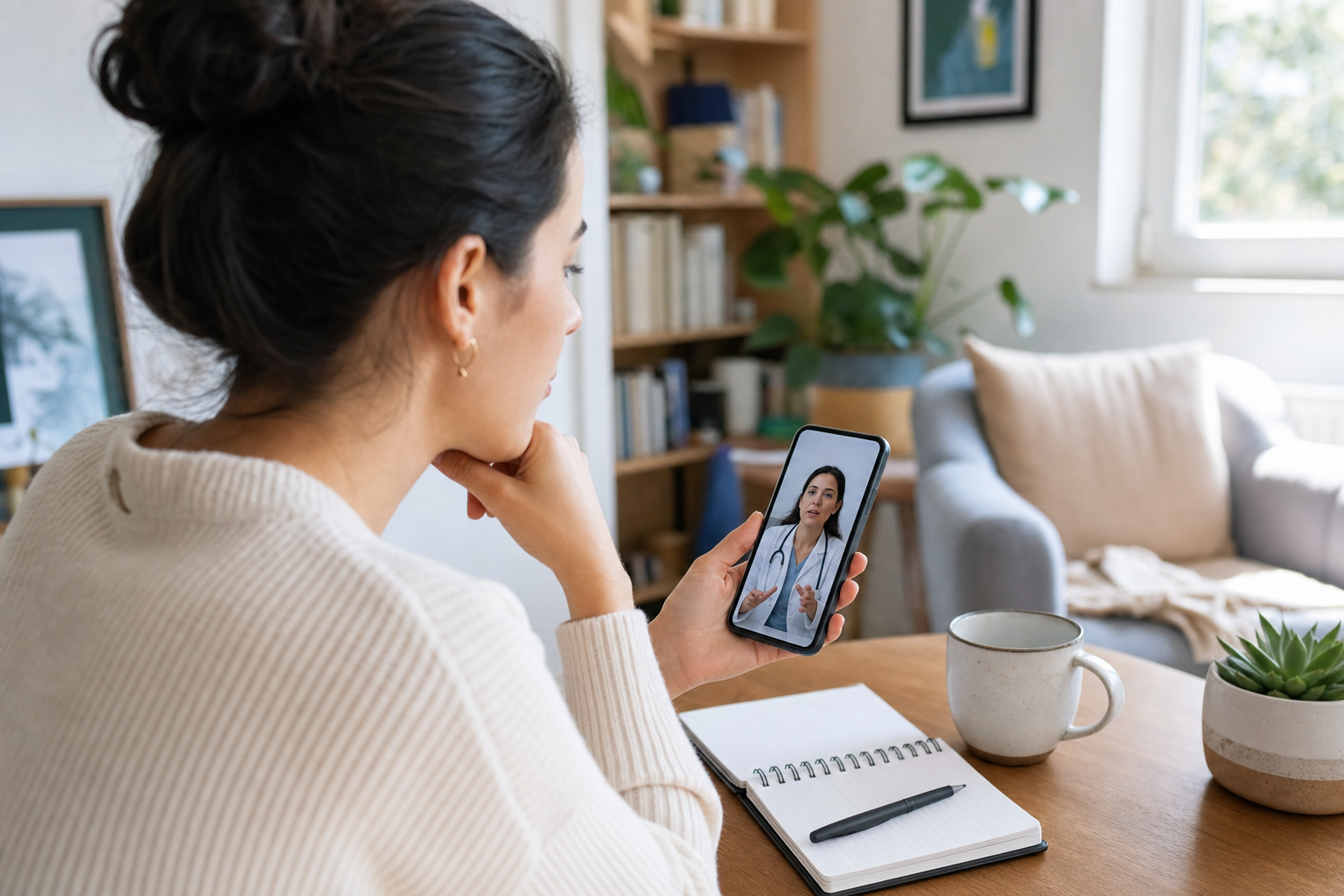
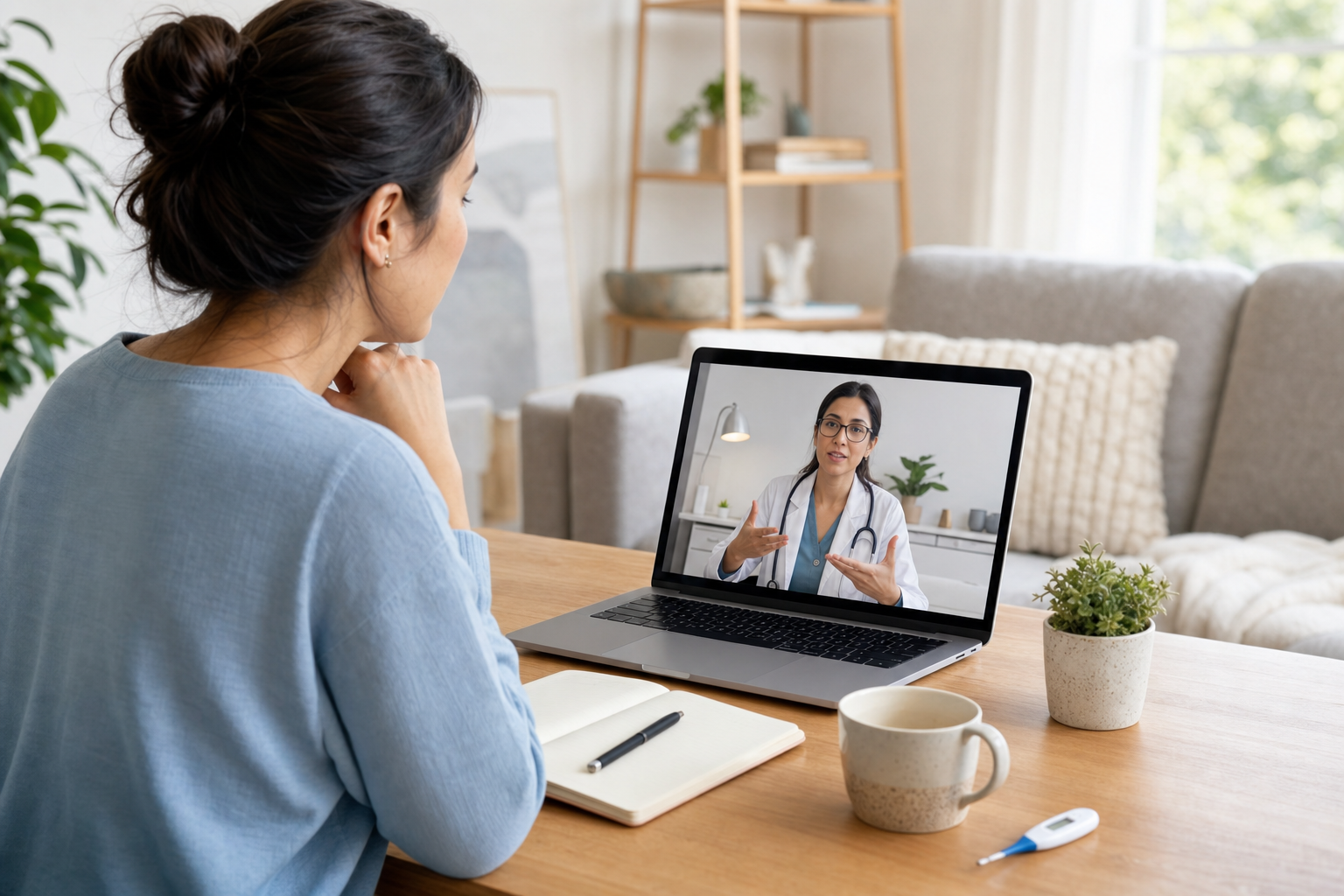
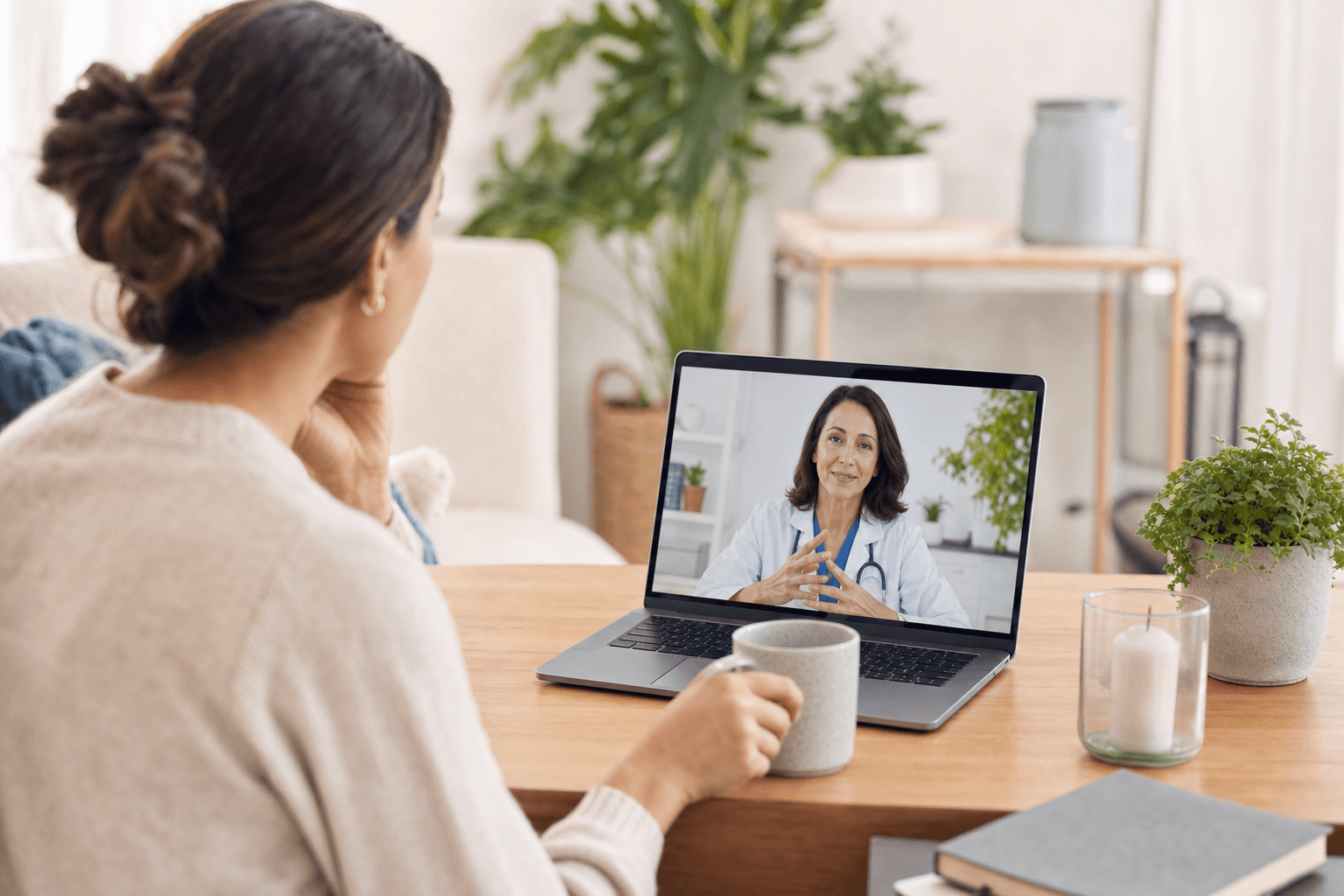
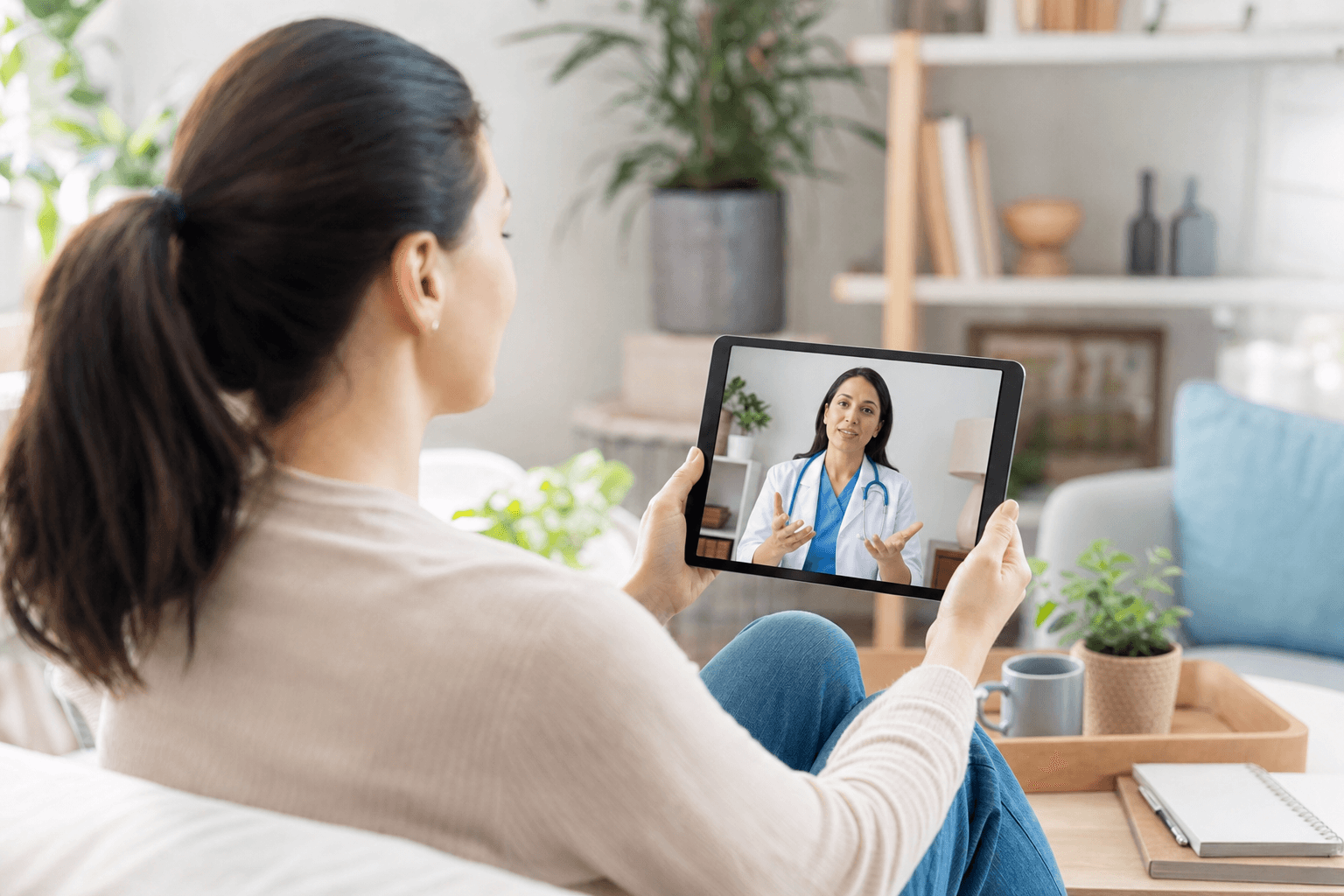
Telemedicine is a consultation with a clinician by video, phone or secure message. It is useful for follow-ups, minor concerns, repeat prescriptions and advice when you are not sure whether to come in.
Health apps
Apps can track sleep, activity, blood pressure, medication timing and mood. The best ones turn raw numbers into something you can act on, such as a reminder to take a tablet or a gentle nudge to move more.
Wearables and home devices
A watch that counts steps, a cuff that reads blood pressure, or a small sensor that checks blood sugar can send readings to an app. Over weeks these readings show patterns that a single clinic visit would miss.
Electronic health records
When your history, test results and medicines are stored digitally, any clinician you authorise can see an accurate picture quickly. That reduces repeated tests and dangerous drug interactions.
How it actually helps
The value of digital health is practical, not futuristic.
It saves time. A video follow-up can replace a half day of travel and waiting, which matters a great deal in Mauritius where a trip to a specialist may mean crossing the island.
It improves access. People in rural areas, older adults and those without easy transport can reach a clinician they might otherwise skip.
It supports continuity. When your readings and notes travel with you, the next clinician starts with context instead of guesswork.
It encourages small daily habits. Seeing your own numbers, even simple ones like steps or sleep, tends to make healthy choices feel more concrete.
Where digital health fits, and where it does not
Digital tools are excellent for monitoring, education, reminders and many routine conversations. They are not a replacement for hands on care. A physical examination, an urgent emergency, a procedure or a complex new diagnosis still needs an in person visit.
A good rule is to treat digital health as the layer between your visits rather than a substitute for them. It keeps you connected, informed and monitored, and it helps your care team notice when an in person appointment is genuinely needed.
Getting started sensibly
You do not need every gadget. Start with one tool that solves a real problem for you. If you forget medication, a reminder app helps. If you manage a long term condition, a simple home monitor and a shared record can make each visit more productive.
Choose tools that explain what they do with your data, that come from a reputable source, and that connect to, rather than replace, your relationship with a clinician.
A note on judgement
Digital health gives you more information, and more information is only useful when it leads to sensible action. A single odd reading from a wearable is rarely a reason to panic. A clear trend over time is worth a conversation.
If something a device shows worries you, or if an app suggests a change to your treatment, talk to your doctor before acting on it. The technology is there to support the relationship with your care team, not to make decisions on its own.
The bigger picture
Digital health is part of a wider shift toward care that is connected, continuous and centred on the person rather than the building. Used well, it makes good care easier to reach and easier to keep up with, which is the whole point of a longer, healthier life.
Connected care is one part of a longer, healthier life. Explore the wider Medtech health ecosystem.